
.png)
Key Takeaways
Rent growth has slowed, creating a more balanced and competitive environment rather than a market decline.
Landlords who price properties based on current market conditions are leasing faster and avoiding extended vacancies.
Concessions such as free rent and reduced deposits are increasingly used to attract renters in a more competitive market.
Property maintenance, tenant retention, quick responsiveness, and local market knowledge are key to maintaining profitability in 2026.
The Phoenix rental market in 2026 is going through a period of adjustment. Rent growth has slowed compared to previous years, and conditions are more balanced between landlords and renters.
This does not mean the market is weak. It means it is more stable and more competitive at the same time.
For landlords in Phoenix and surrounding Arizona cities, success now depends less on rapid rent increases and more on correct pricing, strong tenant screening, and consistent property upkeep. Investors are also focusing more on steady returns instead of short-term gains.
This report, by Service Star Realty explains what is happening in the market, which areas are still performing well, and what landlords should expect moving forward.
Want More Information?
The Big Picture: A Market in Correction Mode, Not Decline
Phoenix is not experiencing a market crash. Instead, it is adjusting after a period of fast rent growth and high demand.
New apartment construction over the past few years has increased supply in many parts of the city. At the same time, population growth has become more steady rather than explosive.
These changes have created a more balanced rental environment. Vacancies have increased slightly in some areas, but well-managed properties are still renting at healthy levels. The main difference today is timing. Units take longer to rent, and tenants are more selective.
Landlords who continue to price based on peak market conditions often experience longer vacancies. Those who adjust pricing to current conditions are filling units faster and maintaining more stable income.
Rent Trends by Property Type
Different types of rental units are performing differently across Phoenix.
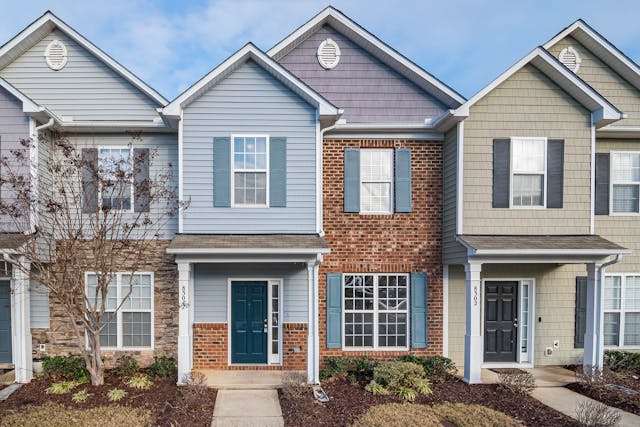
Smaller units, especially one-bedroom apartments, remain relatively stable. These are often chosen by individuals and couples looking for affordability and location convenience. Demand for these units continues to hold up well.
Larger units, such as three and four-bedroom apartments, are seeing more pressure. Renters in this group are more sensitive to monthly costs and have more options available. As a result, these units may take longer to lease unless priced carefully.
Single-family rentals remain steady in many parts of Phoenix, especially in neighborhoods where families prefer schools, space, and long-term stability. However, pricing must still reflect current market conditions to avoid extended vacancy periods.
Overall, renters are prioritizing affordability over extra space. This trend is shaping how landlords should position their properties.
Want to Know More About Your Phoenix Property?
Concessions Are Now Common in Leasing
One of the clearest changes in the Phoenix rental market is the increased use of concessions. These are incentives offered to attract tenants, such as free rent periods or reduced move-in costs.
Common examples include one to six weeks of free rent or reduced security deposits. These incentives help properties stand out in a more competitive environment without permanently lowering monthly rent.
While concessions can help fill vacancies faster, they also require careful tracking. The actual income from a property should be measured after incentives are applied, not just based on listed rent. Many landlords underestimate the impact of concessions on yearly returns.

Using concessions correctly can improve occupancy. Using them without a clear strategy can reduce overall profitability.
Submarket Performance Across Phoenix
Rental performance in Phoenix varies widely depending on location. North Phoenix continues to show steady demand. Many renters in this area are employed in nearby business and service sectors, which supports stable occupancy.
Parts of the East Valley, including Mesa and Chandler, are also performing well. These areas offer a balance of affordability and access to employment centers, which keeps demand consistent.
Scottsdale-adjacent areas remain stronger for higher-income renters, but pricing must be realistic. Overpriced luxury units are sitting longer than in previous years.
Some central Phoenix areas with high levels of new apartment construction are experiencing slower absorption. This is mainly due to increased supply rather than lack of demand. Properties in these areas need stronger pricing and marketing discipline to stay competitive.
The key takeaway is that Phoenix is not a single rental market. It is a group of smaller markets with different performance levels.
Want to Know More About Us?
What to Expect
Looking ahead, the Phoenix rental market is expected to remain stable. Large rent increases are unlikely in the short term. Instead, small and steady changes are more realistic.
Vacancy rates are expected to level out as new construction slows and existing units are absorbed. Rent growth is likely to remain modest across most segments.

Tenant behavior will continue to shift toward longer decision times and more comparison shopping. This means landlords must respond quickly when showing properties and ensure units are well maintained before listing.
Retention of current tenants will also become more important. Keeping a good tenant is often more cost effective than finding a new one in a slower leasing environment.
The Takeaway for Phoenix Landlords
The Phoenix rental market in 2025 and 2026 rewards accurate pricing, strong management, and operational consistency. The days of automatic rent increases are no longer the norm.
Landlords should expect more competition and longer leasing timelines in certain areas. However, properties that are properly maintained and correctly priced continue to perform well.
Key actions for landlords include:
Setting rent based on current market conditions, not past peaks.
Using concessions carefully and tracking their impact.
Responding quickly to maintenance and tenant needs.
Focusing on tenant retention to reduce turnover costs.
For many property owners in Arizona, working with a professional property management company is becoming less of an option and more of a practical requirement.
Market conditions are more detailed and more local than before, and managing them effectively requires time, experience, and consistent attention.
Ready to Get Started With Us?
Bottomline
Phoenix is in a stable but more competitive rental phase. Income is still strong for well-managed properties, but results depend heavily on pricing accuracy and day-to-day execution.
Owners who adjust to current conditions will continue to see solid performance. Those who do not may face longer vacancies and reduced returns.
Working with professional management companies, like Service Star Realty, is increasingly the difference between average performance and consistent profitability in today’s Phoenix rental market.

Service Star Realty
1525 N Granite Reef #16, Scottsdale, AZ 85257
(480) 426-9696