
How to Rent Out Your House in Arizona: A Step-by-Step Guide for Property Owners
LAST UPDATED: OCTOBER 26, 2026
If you're thinking about renting out a house you own in Arizona, there is more to the process than putting the property online and finding someone willing to move in. You need to know what the home can realistically rent for, whether the numbers make sense, what condition it should be in, how Arizona rental laws affect you, and how the property will be managed after a tenant moves in.
Whether you plan to manage the home yourself or hire a professional property manager, getting these pieces right from the beginning can make a significant difference in your experience as a landlord.
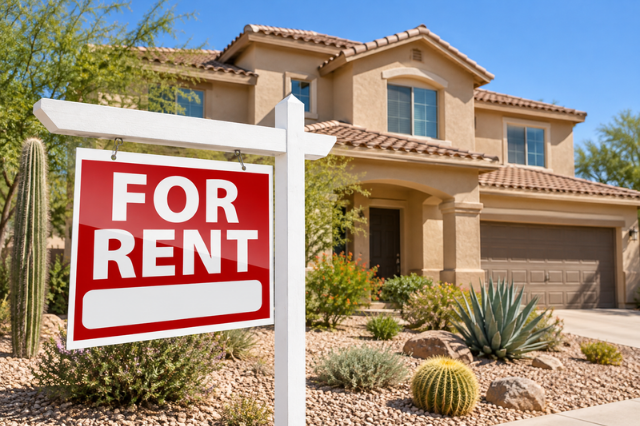
What Do I Need to Do to Rent Out My House?
At a high level, renting out your house involves ten steps:
- Determine whether renting makes financial sense.
- Understand your responsibilities as an Arizona landlord.
- Prepare the property for renters.
- Determine a competitive rental price.
- Market the home.
- Screen applicants consistently.
- Use a strong written rental agreement.
- Document the property and prepare for move-in.
- Manage the property throughout the tenancy.
- Decide whether you want to self-manage or hire a property manager.
The details behind each step are where successful rental ownership is often won or lost.
1. Decide Whether Renting Out Your House Makes Financial Sense
Start with the numbers.
Potential rent is important, but it is only one part of determining whether keeping a home as a rental makes financial sense. There are expenses that continue whether the property is occupied or vacant.
Depending on the home, those may include:
- Mortgage payments
- Property taxes
- Mortgage payments
- Property taxes
- Landlord insurance
- HOA dues
- Repairs and routine maintenance
- Landscaping or pool service
- Vacancy between tenants
- Turnover expenses
- Property management fees
- Larger future expenses such as an HVAC system, roof or major appliance replacement
You also need a realistic estimate of market rent.
What you paid for the property, your mortgage payment and the amount of income you would like to earn do not determine what a tenant will pay. Renters compare your home with other available properties in the same market.
An extra $100 or $200 per month can sound appealing until an overpriced home sits vacant long enough to erase the additional income.
If you are deciding between renting and selling, compare both options before committing to either. A realistic rental analysis, along with a look at your anticipated expenses, gives you a much better starting point.
2. Understand Your Responsibilities as an Arizona Landlord
Once your home becomes a rental, Arizona landlord-tenant laws affect many of the decisions you make.
The Arizona Residential Landlord and Tenant Act addresses issues such as property condition, security deposits, access to the property, notices and remedies available to landlords and tenants. Fair Housing requirements also affect advertising, applicant screening and how rental policies are applied.
For example, Arizona generally limits the security a landlord may demand to no more than one and one-half month's rent.
Other situations are less suited to simple rules of thumb. Maintenance problems, assistance animals, property access, lease violations and evictions can involve different requirements depending on the circumstances.
You do not need to become an attorney to own a rental property, but you should know which decisions carry legal requirements and where to get reliable guidance before acting.
3. Get Your House Ready to Rent
A home being livable does not necessarily mean it is ready to compete for a good tenant.
Walk through the property as though you were seeing it for the first time. Small issues that were easy to overlook while living there can stand out immediately to someone considering it as their next home.
Before marketing, address necessary repairs and confirm that major systems and included appliances are working properly. The home should be thoroughly cleaned, personal belongings and debris removed, and obvious cosmetic issues addressed.
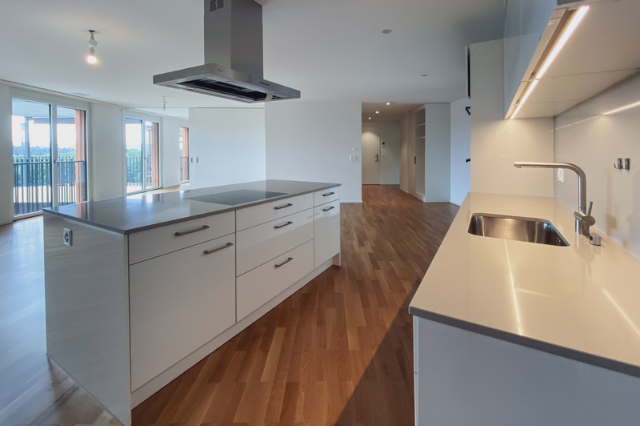
Pay particular attention to:
- HVAC operation and filters
- Plumbing fixtures and leaks
- Electrical and safety items
- Smoke and carbon monoxide detectors where required
- Doors, windows and locks
- Appliances included with the rental
- Flooring and carpet condition
- Interior paint
- Landscaping
- Pest issues
- Pool equipment, if applicable
- HOA requirements that could affect the tenancy
Starting with a clean, well-maintained property makes the home easier to market and establishes a clearer standard for how you expect it to be cared for and returned.
4. Determine How Much Your House Should Rent For
Not sure what your Arizona home could rent for?
Start with a free rental analysis based on your property and current local market conditions.
Rental pricing is highly local.
A home in Phoenix may face very different competition than a similar property in Tucson, Scottsdale, Marana or another Arizona community. Statewide averages and automated estimates can provide context, but they should not be the only information used to establish an asking rent.
Look at comparable rentals with similar:
- Locations
- Property types
- Square footage
- Bedrooms and bathrooms
- Garages and parking
- Condition and updates
- Yards and outdoor spaces
- Pools or community amenities
Pay attention to what is happening with those listings too. How long have they been available? Have asking rents been reduced? Which homes are attracting renters?
Once your property is listed, the market continues to provide information. If renters are seeing the listing but not inquiring, or touring without applying, price and presentation should be reevaluated rather than allowing vacancy to accumulate indefinitely.

5. Market Your Rental Property
Most renters begin their home search online, so your listing often makes the first impression before anyone visits the property.
Good rental marketing starts with clear, current photos and an accurate description. Highlight the features that genuinely help the property stand out without exaggerating or using language that could create Fair Housing concerns.
Make it easy for prospective renters to understand the home's major features, asking rent, availability and how to take the next step.
Then monitor the response.
A rental listing should not simply be posted and forgotten. Inquiry volume, showing activity, applicant interest, competing inventory and market changes can all provide useful feedback about how your property is positioned.
6. Screen Rental Applicants Consistently
Finding someone who wants to rent your house is not the same as finding a qualified tenant. Before accepting applications, establish clear rental criteria and apply those standards consistently.
Depending on your screening process and applicable requirements, you may review items such as:
- Income and ability to meet the rental obligation
- Credit history
- Rental history
- Prior evictions
- Relevant background information
- Identity and application information
- Other qualification standards permitted by law
Information should be appropriately verified rather than simply accepted at face value.
Consistency is also important. Changing qualification standards from applicant to applicant can create Fair Housing concerns and make your screening process harder to defend.
The goal is to have a documented process that evaluates applicants against the same established criteria.
7. Use a Strong Arizona Rental Agreement
A written rental agreement establishes expectations for the tenancy and gives both parties something to refer to when questions arise. A lease should do more than identify the tenant, property and monthly rent.
Depending on the home and tenancy, it may address:
- Lease beginning and ending dates
- Rent amount, due date and payment procedures
- Security deposits and other charges
- Authorized occupants
- Maintenance responsibilities
- Utilities
- Pets and assistance-animal procedures
- HOA requirements
- Property access
- Rules and restrictions
- Lease violations
- Renewal and termination procedures
- Other property-specific responsibilities

A generic lease found online may not account for Arizona requirements or issues specific to your property. A strong rental agreement will not prevent every disagreement, but clearly documented expectations make many common landlord-tenant issues easier to address.
8. Document the Property and Prepare for Move-In
Once an applicant is approved and the lease is signed, document the condition of the home before possession is transferred.
A detailed move-in inspection with photos or video creates a record of the property's starting condition. That documentation can become important when evaluating the property at move-out and distinguishing normal wear and tear from tenant-caused damage.
Before handing over possession:
- Confirm required funds have been received.
- Account for keys, remotes and access devices.
- Clarify utility responsibilities.
- Provide instructions for reporting maintenance.
- Explain how emergencies should be handled.
- Make sure the tenant knows who to contact with questions.

A well-organized move-in establishes expectations from the beginning and can prevent confusion later.
9. Have a Plan for Managing the Property After Move-In
Signing the lease is not the end of managing a rental. It is the beginning of the tenancy.
Someone still needs to handle rent collection, maintenance requests, vendors, tenant communication, inspections, lease compliance, accounting, renewals and emergencies.
Before renting the property, think through situations such as:
- What happens if the air conditioner stops working during an Arizona summer?
- Who will take the call?
- Which vendor will respond?
- How will you determine whether a repair is an owner responsibility or tenant-caused damage?
- What happens when rent is late or a lease violation occurs?
- When will you begin discussing renewal terms?
Having systems in place before those situations happen is much easier than creating them during a problem.
10. Decide Whether to Self-Manage or Hire a Property Manager
Some Arizona owners successfully manage their own rental properties. Others decide that the time, distance, legal requirements or ongoing responsibilities make professional management worthwhile.
If you are considering self-management, ask whether you are comfortable handling:
- Rental pricing and changing market conditions
- Advertising and showing the property
- Applicant screening
- Arizona lease requirements
- Rent collection and accounting
- Maintenance coordination
- Emergency calls
- Tenant communication
- Notices and lease enforcement
- Property inspections
- Renewals and turnover
Your proximity to the property matters too. A maintenance problem does not necessarily happen during business hours, and tenant issues rarely schedule themselves around your availability.
The right choice depends on your experience, time and goals for the property.
Ready to Find Out What Your Arizona Home Could Rent For?
If you are considering turning your home into a rental, one of the best places to start is understanding its realistic rental potential.
Service Star Realty provides full-service property management for rental-property owners throughout the Phoenix and Tucson metro areas. We help owners evaluate rental pricing, prepare properties for the market, find and screen qualified tenants, coordinate leasing and move-in, and manage the property throughout the tenancy.
Start with a rental analysis for your property to see what your home could realistically rent for and what your next steps may look like.
Thinking About Renting Out Your Arizona Home?
Service Star Realty can help you evaluate the rental market and determine whether professional management makes sense for your property.
Get My Free Rental Analysis
Learn About Our Property Management Services
Service Star Realty
1525 N Granite Reef #16, Scottsdale, AZ 85257
(480) 426-9696